Winstone: A Unique Display Font for Original Design Projects
When it comes to typography, the right font can make all the difference in a design project. Winstone is a display font that stands out for its distinct character and versatility. It’s not just another typeface—it’s a tool that can elevate your creative work and give it a fresh, original look. Whether you're working on branding, web design, or print materials, Winstone offers a unique aesthetic that can help your designs stand out from the crowd.
What Makes Winstone Stand Out?
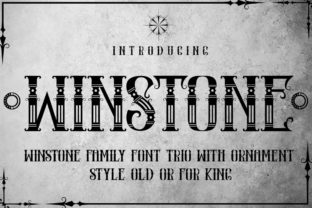
Winstone is designed with a bold, expressive style that sets it apart from more traditional fonts. Its letterforms have a handcrafted feel, which gives it a sense of authenticity and personality. This makes it ideal for projects that require a visual identity that feels both modern and authentic. The font’s contrast between thick and thin strokes adds depth and visual interest, making it perfect for headlines, logos, and other prominent text elements.
One of the key strengths of Winstone is its adaptability. While it’s primarily a display font, it can also be used effectively in smaller sizes for body text, depending on the context. Its legibility at various sizes makes it a practical choice for designers who want to maintain a consistent visual language across different mediums.
Key Characteristics of Winstone
- Distinctive Style: Winstone features a unique blend of sharp angles and fluid curves that create a visually engaging appearance.
- High Contrast: The font has a strong contrast between thick and thin strokes, adding a dynamic quality to any design.
- Handcrafted Feel: Winstone’s design evokes a sense of craftsmanship, making it suitable for projects that emphasize authenticity.
- Legibility: Despite its bold appearance, Winstone remains readable at a range of sizes, offering flexibility for different design needs.
Applications of Winstone in Modern Design
Winstone is particularly well-suited for projects that require a strong visual impact. In the world of branding, for example, it can be used to create memorable logos that reflect a brand’s personality. Its boldness and uniqueness make it an excellent choice for businesses looking to differentiate themselves in a competitive market.
In web design, Winstone can be used for headings, banners, and call-to-action buttons. Its striking appearance helps draw attention and guide users through a site. When paired with simpler, more neutral fonts for body text, Winstone can add a touch of elegance and sophistication without overwhelming the overall design.
Print media also benefits from the use of Winstone. Whether it’s for posters, packaging, or promotional materials, the font’s high contrast and distinctive shape can make a lasting impression. Its ability to convey emotion and energy makes it a powerful tool for designers working on campaigns that aim to connect with audiences on an emotional level.
Scenarios Where Winstone Shines
- Brand Identity: Use Winstone for logos, taglines, and other brand elements to create a cohesive and memorable visual identity.
- Web Design: Apply Winstone to headings and buttons to add visual interest and improve user engagement.
- Print Materials: Incorporate Winstone into posters, brochures, and packaging to capture attention and reinforce brand messaging.
- Advertising Campaigns: Leverage Winstone’s bold and expressive style to create eye-catching advertisements that stand out in a crowded marketplace.
Practical Benefits of Using Winstone
One of the main advantages of Winstone is its ability to add personality to a design. Unlike more generic fonts, Winstone brings a sense of individuality that can help a project feel more original and meaningful. This is especially important in industries where differentiation is key, such as fashion, art, and technology.
Another benefit is its ease of use. Winstone is available in multiple weights and styles, allowing designers to choose the version that best suits their needs. This flexibility means that it can be used across a wide range of projects without sacrificing consistency or quality.
Additionally, Winstone is compatible with most design software, including Adobe Creative Suite, Figma, and Sketch. This makes it accessible to a broad range of designers, regardless of their preferred tools. Its availability in both desktop and web formats ensures that it can be used seamlessly in different environments.
Considerations When Using Winstone
While Winstone is a powerful font, it’s important to use it strategically. Because of its bold and expressive nature, it may not be the best choice for every project. For example, in situations where minimalism or clarity is the priority, a simpler font might be more appropriate.
Designers should also consider the context in which Winstone will be used. In some cases, the font’s high contrast and intricate details may not translate well to small sizes or low-resolution displays. Testing the font in different environments can help ensure that it maintains its intended impact.
Finally, it’s worth noting that while Winstone is a display font, it can still be used in body text if done carefully. Pairing it with a more neutral font can help balance its boldness and maintain readability throughout a design.
How Winstone Fits Into Modern Workflows
As design workflows become more digital and collaborative, the need for versatile and adaptable fonts has never been greater. Winstone fits into this landscape by offering a flexible solution that can be used across multiple platforms and projects. Its compatibility with popular design tools and its availability in different formats make it a valuable asset for designers working in fast-paced environments.
Moreover, Winstone aligns with current trends in typography that emphasize originality and personal expression. As more designers seek to create unique and memorable visuals, fonts like Winstone provide a way to stand out without compromising on quality or functionality.
For teams working on branding or marketing initiatives, Winstone can serve as a unifying element that reinforces a brand’s identity across different channels. Its ability to convey emotion and energy makes it a powerful tool for creating consistent and impactful visual narratives.