Reviving the Past, Shaping the Future: The Rise of Retronoid in Retro-Inspired Design
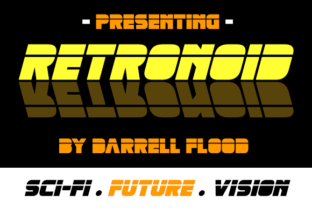
In an era where innovation often means looking forward, there's a growing movement that's turning its gaze backward—toward the vibrant, pixelated, and bold aesthetics of the 1980s. This is where Retronoid comes into play, a design philosophy that blends retro influences with modern functionality. With its ultrabold, solid, and retro-styled fonts, Retronoid isn't just about nostalgia; it's about creating a visual language that resonates across generations, industries, and platforms.
From video game art to branding and web design, the influence of the 80s is making a powerful comeback. And at the heart of this revival is the use of retro-styled fonts that evoke the energy and creativity of a bygone era. These fonts aren't just decorative—they're a statement, a bridge between past and present, and a tool for professionals, creators, and entrepreneurs who want to stand out in a crowded digital landscape.
The Evolution of Design: From Pixel Art to Modern Typography
The 1980s were a time of experimentation and boundary-pushing in design. With the rise of personal computers and early video games, typography took on a new role. Fonts like Starblast, Pixel Operator, and Space Age became iconic, not just for their visual appeal but for their ability to convey a sense of adventure and futurism. These fonts were designed to be readable, yet they carried the unmistakable flair of a generation that embraced technology with open arms.
Today, as we navigate a world dominated by sleek, minimalist designs, there's a renewed appreciation for the boldness and character of these older fonts. This shift isn't just about aesthetics—it's about redefining what it means to be modern. In a market where differentiation is key, using a retro-styled font can help brands and individuals carve out a unique identity.
Retronoid captures this essence perfectly. It's more than just a font—it's a design approach that integrates the spirit of the 80s into contemporary contexts. Whether you're designing a website, creating a logo, or developing a game, Retronoid offers a way to infuse your work with the energy and nostalgia of a time when technology was still a wonder.
Why Retronoid Matters in Today’s Creative Landscape
The creative industry is constantly evolving, and with it, the tools and styles that define it. While many designers rely on clean, sans-serif fonts for their simplicity and versatility, there's a growing demand for fonts that tell a story. This is where Retronoid shines. Its ultrabold, solid style makes it ideal for headlines, titles, and any design element that needs to command attention.
For entrepreneurs and marketers, this means a powerful tool for branding. A well-chosen font can set the tone for a brand, communicate values, and create an emotional connection with the audience. In a competitive market, standing out is essential, and Retronoid provides a distinctive visual signature that can help a brand differentiate itself.
Moreover, the resurgence of retro aesthetics aligns with broader cultural trends. From vinyl records to retro gaming consoles, there's a clear appetite for authenticity and craftsmanship. Retronoid taps into this trend by offering a font that feels both familiar and fresh. It's a reminder that the past isn't just something to look back on—it's a source of inspiration for the future.
Retro-Style Fonts in Action: Real-World Applications
One of the most compelling aspects of Retronoid is its versatility. It's not limited to a single industry or application. Instead, it can be used across a wide range of creative fields, from game development to web design, advertising, and even product packaging.
Take, for example, the world of independent game development. Many indie developers are embracing retro-style graphics and fonts to create games that feel both nostalgic and innovative. By using a font like Retronoid, they can maintain the authenticity of the 80s while ensuring that their designs remain accessible and engaging for modern audiences.
In the realm of web design, Retronoid can be used to create eye-catching headlines and banners that draw users in. Its bold, solid style ensures that text remains legible even at smaller sizes, making it a practical choice for designers who want to balance form and function.
Even in traditional marketing, retro-style fonts are making a splash. Companies that want to connect with younger audiences while maintaining a sense of heritage are turning to fonts like Retronoid to bridge the gap. Whether it's a logo for a tech startup or a tagline for a retro-themed event, the right font can make all the difference.
The Business Case for Retro-Inspired Design
From a business perspective, the adoption of retro-inspired design elements like Retronoid isn't just about aesthetics—it's about strategy. In an age where consumers are bombarded with information, the ability to capture attention quickly is crucial. A bold, retro-styled font can help a brand stand out in a sea of sameness, making it more memorable and recognizable.
Furthermore, the use of retro aesthetics can tap into the emotional side of consumer behavior. Nostalgia is a powerful force, and by leveraging it through design, businesses can create a deeper connection with their audience. This is especially true for younger generations who may not have lived through the 80s but are drawn to its aesthetic and cultural legacy.
For freelancers and creatives, the demand for retro-style design is also opening up new opportunities. As more clients seek unique and authentic visual identities, those who can offer a retro-inspired approach—whether through typography, illustration, or branding—are finding themselves in high demand. Retronoid provides a reliable and professional tool for meeting this demand.
Looking Ahead: The Future of Retro-Inspired Design
As we move further into the digital age, the influence of retro design is only going to grow. What was once considered outdated is now being reimagined and reinterpreted in new and exciting ways. Retronoid is part of this evolution, representing a thoughtful and intentional approach to design that respects the past while embracing the future.
For professionals, creators, and entrepreneurs, the key takeaway is clear: the design choices we make today will shape how we connect with our audiences tomorrow. By incorporating elements like Retronoid into their work, they're not just following a trend—they're positioning themselves at the forefront of a movement that values creativity, authenticity, and innovation.
In a world that's always moving forward, sometimes the best way to look ahead is to take a step back. Retronoid reminds us that the past has much to teach us—and that the future is shaped by the ideas, styles, and inspirations we carry with us. Whether you're designing a game, launching a brand, or simply exploring the possibilities of typography, Retronoid offers a powerful way to bring the spirit of the 80s into the present.