Alenia: A Modern Display Font for Design Projects
When it comes to typography, the right font can make a significant difference in how a design is perceived. Alenia is a modern-looking display font that offers a distinct feel, making it a compelling choice for designers looking to elevate their projects. This article explores what Alenia is, why it might be of interest, and how it compares to other options in the market.
What Is Alenia?
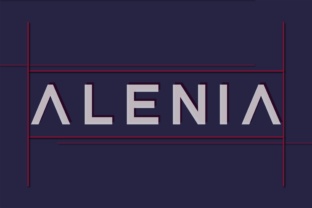
Alenia is a display font designed with a contemporary aesthetic, combining clean lines with subtle character to create a visually appealing typeface. It is often used in branding, web design, and print materials where a strong visual presence is needed. The font's structure allows for both readability and style, making it suitable for a variety of applications.
Designed with a focus on versatility, Alenia features a range of weights and styles, enabling users to adapt it to different design needs. Its modern look makes it ideal for projects that require a fresh, up-to-date appearance without sacrificing legibility.
Why Consider Alenia?
Designers and developers may find Alenia appealing for several reasons. Its clean and professional look makes it suitable for a wide range of industries, from tech and finance to creative and lifestyle sectors. The font’s balance between simplicity and character allows it to stand out while maintaining a level of sophistication.
For those working on digital projects, Alenia’s compatibility with various platforms and design software adds to its appeal. It is often used in UI/UX design, where a clear and modern font can enhance user experience. Additionally, its availability in multiple formats ensures that it can be integrated into different workflows seamlessly.
Benefits of Using Alenia
- Modern Aesthetic: Alenia’s design aligns with current trends, offering a fresh and stylish look.
- Versatility: Available in multiple weights and styles, it can adapt to different design requirements.
- Readability: Despite its decorative elements, Alenia maintains good legibility, especially at larger sizes.
- Professional Appearance: Suitable for both digital and print media, it contributes to a polished final product.
Situations Where Alenia Shines
Alenia is particularly well-suited for projects that require a strong visual identity. For example, in branding, it can help establish a modern and cohesive look across marketing materials. In web design, it can be used for headings and titles to draw attention while maintaining a clean layout.
It is also a good choice for editorial design, such as magazines or newsletters, where a distinctive yet readable font is needed. Additionally, Alenia can enhance the visual appeal of presentations, making content more engaging and professional.
Considerations and Tradeoffs
While Alenia offers many advantages, it is important to consider its limitations. At smaller sizes, the font may become less readable, which could affect its usability in certain contexts. Designers should test it at different sizes to ensure it meets their needs.
Another consideration is the font’s weight. While the availability of multiple weights provides flexibility, some users may find that the lighter versions lack the impact needed for certain design elements. It is essential to choose the appropriate weight based on the intended use.
When Alternatives May Be Better
In some cases, alternative fonts may be more suitable depending on the project’s requirements. For instance, if a more traditional or classic look is desired, a serif font might be a better fit. Similarly, if a highly decorative or unique style is needed, other display fonts could offer more distinctive characteristics.
Additionally, for projects that require high readability at small sizes, a sans-serif font with a simpler structure might be preferable. It is always advisable to compare different options and select the one that best aligns with the project’s goals and audience.
Practical Decision-Making Insights
When deciding whether to use Alenia, consider the following factors: the project’s purpose, the target audience, and the overall design style. If the goal is to create a modern and visually appealing design, Alenia can be an excellent choice. However, it is important to evaluate how well it integrates with other design elements and whether it meets the specific needs of the project.
Testing the font in real-world scenarios can provide valuable insights. Designers should experiment with different sizes, colors, and layouts to determine how Alenia performs in various contexts. This process can help identify any potential issues and ensure that the font enhances rather than detracts from the final design.
Ultimately, the decision to use Alenia should be based on a thorough evaluation of its strengths and limitations in relation to the project’s requirements. By considering these factors, designers can make informed choices that contribute to the success of their work.