Toon Balloon: A Playful Font for Creative Workflows
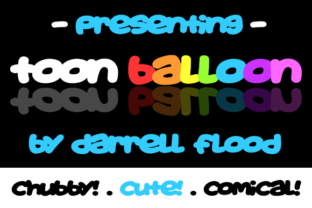
When it comes to design and typography, the right font can make a significant difference in how a message is perceived. Toon Balloon is a unique, blobby font that brings a sense of fun and whimsy to any project. Its friendly style makes it ideal for cartoon adventures, branding, and creative endeavors where a lighthearted tone is desired.
Understanding Toon Balloon and Its Role in Design
Toon Balloon is more than just a font—it's a tool that can enhance visual storytelling and add personality to digital and print materials. The font's rounded, soft edges and playful curves give it a distinctive look that stands out from traditional typefaces. This makes it particularly effective in contexts where creativity and approachability are key, such as children's books, marketing campaigns, or social media content.
For designers and creators, integrating Toon Balloon into their workflow can help differentiate their work from competitors. It's especially useful when targeting audiences that value humor, charm, and a sense of nostalgia. Whether used in logos, banners, or illustrations, Toon Balloon adds a layer of visual interest that can elevate the overall aesthetic of a project.
Using Toon Balloon in Different Stages of a Project
The versatility of Toon Balloon allows it to be used at various stages of a creative or business process. Before starting a project, it can serve as inspiration for concept development. For example, a designer might use Toon Balloon to sketch out ideas for a brand identity, helping to visualize how a playful tone could shape the final product.
During the execution phase, Toon Balloon can be incorporated into mockups, wireframes, or prototypes. This helps teams get a sense of how the font will look in different formats and sizes. It’s also useful for creating mood boards that communicate the intended vibe of a project to stakeholders or clients.
After a project is completed, Toon Balloon can be used for promotional materials, packaging, or follow-up content. Its friendly appearance makes it well-suited for social media posts, email newsletters, or advertisements that aim to build a connection with the audience.
Integrating Toon Balloon with Other Tools and Resources
Toon Balloon works well with other design tools and platforms, making it a valuable addition to a designer’s toolkit. It can be used alongside graphic design software like Adobe Illustrator, Figma, or Canva, allowing for seamless integration into existing workflows. Many of these platforms offer built-in font libraries, making it easy to access and apply Toon Balloon directly within the design environment.
When working on a team, Toon Balloon can also be shared across different departments or collaborators. Its compatibility with common file formats ensures that it remains consistent across projects, reducing the need for additional adjustments or conversions. This is especially important in large-scale projects where maintaining a cohesive visual identity is crucial.
In addition to design tools, Toon Balloon can be paired with other assets such as illustrations, icons, or color schemes. By aligning the font with complementary visual elements, designers can create a more immersive and engaging experience for the end user.
Practical Tips for Implementing Toon Balloon
Before using Toon Balloon, it’s important to consider the context in which it will be applied. While it’s great for creative or informal settings, it may not be suitable for formal or professional environments where a more structured font is expected. Understanding the target audience and the purpose of the project will help determine whether Toon Balloon is the right choice.
One practical tip is to test the font in different sizes and layouts. Due to its rounded shape, Toon Balloon may appear differently depending on the scale and spacing. Experimenting with kerning, line height, and alignment can help achieve a balanced and readable result.
Another consideration is the readability of the font. While Toon Balloon is visually appealing, it’s essential to ensure that it remains legible, especially in smaller text sizes or when used in conjunction with other design elements. If necessary, alternative fonts can be used for body text while Toon Balloon is reserved for headings or decorative elements.
Workflow Examples and Use Cases
For a marketing campaign targeting a younger demographic, Toon Balloon can be used in social media graphics, posters, or landing pages. Its playful style aligns well with the interests of this audience, helping to capture attention and convey a sense of fun.
In an educational setting, Toon Balloon can be used to create engaging learning materials, such as flashcards, infographics, or interactive presentations. Its friendly appearance can make complex information more approachable, especially for children or students who benefit from visual learning.
For small businesses or independent creators, Toon Balloon can be a cost-effective way to establish a unique brand identity. It can be used in logos, website headers, or merchandise, offering a distinctive look without the need for expensive custom typography.
Long-Term Considerations and Best Practices
When planning to use Toon Balloon over an extended period, it’s important to maintain consistency in its application. This includes ensuring that it is used appropriately across different platforms, devices, and formats. Regular reviews of how the font performs in various contexts can help identify any potential issues or areas for improvement.
Additionally, keeping track of font updates and compatibility with new software versions is essential. As design tools evolve, it’s important to stay informed about any changes that may affect how Toon Balloon is rendered or used.
Finally, documenting the use of Toon Balloon within a team or organization can help streamline future projects. This includes noting best practices, preferred applications, and any limitations that should be considered when selecting the font for new tasks.