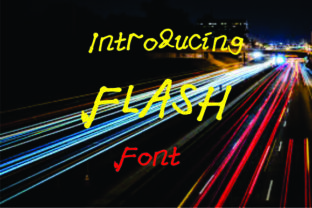
Flash: A Bold and Fresh Display Font
Flash is more than just a font—it's a statement. With its sharp angles, dynamic curves, and modern flair, Flash brings energy and personality to any design. Whether you're working on a logo, a website, or a print ad, this display font has the power to make your work stand out in a crowded visual landscape.
Designed for impact, Flash combines the best of bold typography with a clean, contemporary aesthetic. Its unique character set and expressive strokes give it a distinctive edge that sets it apart from other fonts. It’s not just about looking good—it’s about making a lasting impression.
What Makes Flash Unique?
Flash is a display font that exudes confidence. Its strong, geometric shapes and slightly slanted letters create a sense of movement and modernity. The font’s personality is both playful and professional, making it versatile enough for a wide range of applications.
Unlike many serif or sans serif fonts, Flash doesn’t follow strict rules. Instead, it embraces a more experimental approach, allowing designers to push boundaries while maintaining clarity. This makes it ideal for projects that require a fresh, unconventional look without sacrificing readability.
One of Flash’s most appealing features is its versatility. It works well in both digital and print formats, and its boldness ensures it remains legible even at smaller sizes. Whether used for headings, logos, or social media graphics, Flash adds a touch of sophistication and style.
Where Flash Shines
Flash excels in situations where visual impact is key. It’s a go-to choice for logo design, especially for brands aiming to project energy, innovation, or creativity. Its dynamic appearance can help a brand stand out in a competitive market, making it easier for audiences to remember and connect with the message.
In editorial design, Flash can be used to highlight key headlines or section titles. When paired with a simpler body font, it creates a strong visual hierarchy that guides readers through content. For packaging design, Flash adds a modern, eye-catching element that can differentiate a product on the shelf.
Web designers often use Flash for hero sections, call-to-action buttons, or navigation menus. Its boldness ensures it grabs attention without overwhelming the user. In social media graphics, Flash helps create visually engaging posts that resonate with audiences and encourage interaction.
How Flash Influences Design
Typography isn’t just about aesthetics—it plays a crucial role in how audiences perceive a brand. Flash, with its energetic and confident look, can shape the way people interpret a message. It conveys a sense of modernity, which is especially valuable for tech startups, creative agencies, and lifestyle brands.
When used consistently across marketing materials, Flash reinforces brand identity and builds recognition. It creates a cohesive visual language that strengthens the connection between the audience and the brand. This consistency is essential for maintaining professionalism and trust.
However, it’s important to balance Flash with other fonts to avoid overuse. Pairing it with a clean, readable typeface—like a simple sans serif or serif font—can enhance its impact while ensuring the overall design remains functional and easy to read.
Choosing the Right Font for Your Project
Selecting the right font involves more than just personal preference. It requires understanding the purpose of the design, the target audience, and the medium in which the font will be used. Flash is best suited for projects that need a strong visual presence, but it may not be the best choice for long blocks of text.
Before committing to Flash, test it in different contexts. See how it looks on a website, in a print ad, or in a social media post. Pay attention to how it interacts with other design elements, such as colors, images, and spacing. This will help ensure it complements the overall aesthetic rather than competing with it.
Also, consider the font’s licensing. Flash is a commercial font, meaning it comes with specific usage rights. Make sure you understand what you’re allowed to do with it, especially if you’re using it for client projects or public-facing designs.
Practical Tips for Using Flash
If you're new to using Flash, start by experimenting with small elements. Use it for headlines, captions, or decorative text to get a feel for how it works. Once you’re comfortable, you can gradually incorporate it into larger parts of your design.
When pairing Flash with other fonts, aim for contrast. If Flash is bold and geometric, pair it with a soft, handwritten font for a balanced look. If it’s more structured, try a minimalist sans serif to keep things clean and modern.
Remember, the goal is to enhance the message, not distract from it. Flash should support the design, not overshadow it. Always prioritize readability, especially when working with text that needs to be easily understood.
Ultimately, Flash is a powerful tool in the designer’s arsenal. Its combination of style, strength, and versatility makes it a great choice for a wide range of projects. Whether you're creating a brand identity, designing a website, or crafting a marketing campaign, Flash can help you make a bold and memorable impression.