Carpete: A Naive Brush Font for Creative Projects
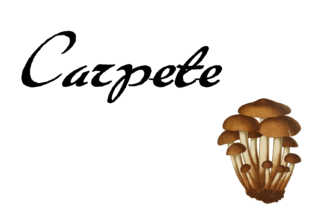
Carpete is a unique brush font that brings a natural, handcrafted feel to any design. Its irregular strokes and organic texture make it stand out in a world of rigid, digital typefaces. Whether you're working on a personal project or a professional layout, Carpete can add a touch of authenticity and warmth that other fonts simply can't replicate.
For designers, artists, and content creators, the right font can make all the difference. Carpete isn’t just another typeface—it’s a tool that can elevate your work and help you express your vision more effectively. But what exactly makes it special, and who might benefit most from using it?
What Makes Carpete Unique?
Carpete is a naive brush font, meaning it mimics the look of handwritten text with a sense of imperfection. This style is often associated with simplicity, creativity, and a human touch. Unlike clean, structured fonts, Carpete feels more approachable and expressive. Its uneven lines and subtle variations give it a handcrafted quality that can bring life to any visual composition.
This font works best when used in contexts where a personal or artistic flair is desired. It's not ideal for formal documents or high-contrast headlines, but it shines in projects like logos, social media posts, invitations, or branding materials that aim to feel more intimate and authentic.
Why Different Audiences Care About Carpete
The value of a font like Carpete depends on the goals and needs of the user. For some, it may be about aesthetics; for others, it could be about practicality or even emotional connection. Let’s explore how different groups might view and use Carpete.
Beginners and Hobbyists
If you're new to design or experimenting with typography, Carpete offers an accessible way to add character to your work. Its natural look can help beginners avoid the stiffness of more technical fonts, making it easier to create something visually appealing without advanced skills. For hobbyists working on DIY projects, handmade cards, or personal blogs, Carpete can provide that extra touch that makes their work feel more meaningful.
Professionals and Creators
Designers and creative professionals may appreciate Carpete for its ability to add a unique identity to their work. In a competitive field, standing out is key, and a font like this can help differentiate a brand or artwork. However, professionals may also consider factors like scalability, readability, and versatility. While Carpete is great for small-scale designs, it may not be suitable for large text sizes or complex layouts where clarity is essential.
Entrepreneurs and Business Owners
Business owners looking to build a brand with a personal touch may find Carpete useful for marketing materials, packaging, or website headers. It can help convey a message of authenticity and craftsmanship, which can resonate with customers who value handmade or artisanal products. That said, business owners should weigh the font’s aesthetic appeal against its practicality—especially if they need a font that works across multiple platforms and formats.
Educators and Students
For educators teaching design or typography, Carpete can serve as a valuable example of how fonts reflect personality and intention. It can spark discussions about the role of imperfection in design and how different styles communicate different messages. Students learning about visual communication may use it to experiment with contrast, hierarchy, and expression in their own projects.
Consumers and End Users
End users may not think much about fonts, but they often respond to them intuitively. A well-chosen font can make text more engaging, memorable, and emotionally resonant. For consumers, a font like Carpete might appear in a product label, a social media post, or a book cover, and it could influence their perception of the brand or message being conveyed. Understanding how fonts affect perception can help users appreciate the thought behind design choices.
Practical Uses for Carpete
Carpete is best suited for projects that benefit from a warm, personal tone. Here are a few examples of how it can be used:
- Branding: Small businesses or independent creators can use Carpete to craft a logo or tagline that feels authentic and relatable.
- Social Media: Instagram posts, Facebook covers, or Twitter banners featuring Carpete can stand out in a crowded feed with their distinctive style.
- Print Materials: Invitations, greeting cards, or brochures can gain a handmade quality that feels more inviting and thoughtful.
- Personal Projects: Bloggers, artists, or writers may use Carpete to enhance the visual appeal of their work without needing advanced design skills.
Considerations When Using Carpete
While Carpete has many strengths, it’s important to consider its limitations. For instance, it may not be the best choice for body text due to its irregular structure, which can affect readability. Additionally, its unique style may not align with all design aesthetics, especially those that prioritize minimalism or modernity.
Users should also think about the context in which the font will be used. If the goal is to communicate information clearly and efficiently, a more structured font may be more appropriate. However, if the goal is to evoke emotion, create a specific mood, or add a personal touch, Carpete can be an excellent choice.
Is Carpete Right for You?
Deciding whether to use Carpete depends on your goals, skill level, and the nature of your project. If you’re looking for a font that adds warmth, creativity, and a sense of individuality, Carpete could be a great fit. But if you need something more polished, scalable, or versatile, you may want to explore other options.
Take time to experiment with the font in different settings. Try using it in a mock-up or test document to see how it looks and feels. Ask yourself: Does it match the tone of my project? Does it help me express my message more effectively? By answering these questions, you can determine whether Carpete is the right choice for your needs.